Against all odds, Oldham Council is on the verge of agreement
No one could have predicted this development, but plenty of people predicted that nothing of the sort could happen
Good afternoon.
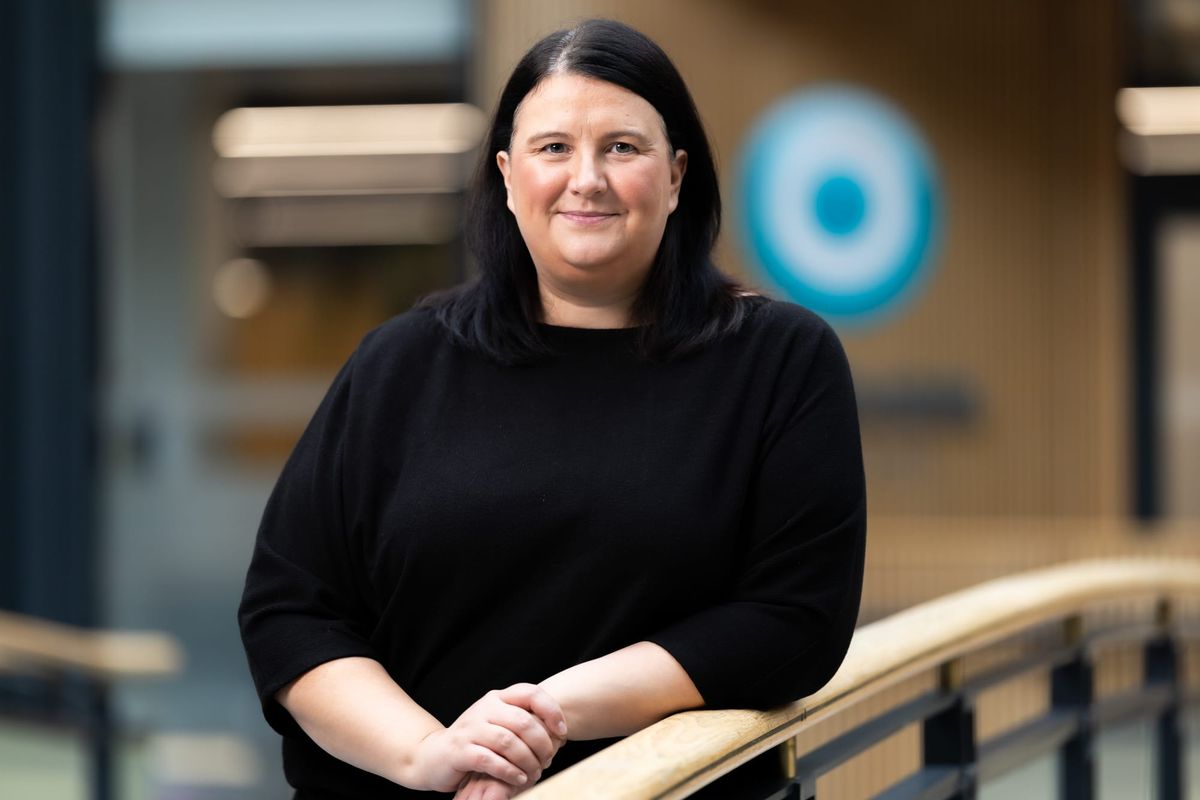
Today’s the day. The Manchester Mill declared a few weeks ago that Oldham was ungovernable after sending a reporter to the town to talk to beyond-the-fringe political figures such as Councillor Max Woodvine, leader of the group of Conservatives. On Monday night, the council executive, led by chief executive Shelley Kipling, dropped a bomb on that assessment and those made by many others, including me, by announcing, in effect, an agreement on filling cabinet positions despite the inability of the elected council to agree on a council leader. No one but no one was expecting it.
For five months now, Ms Kipling has been doing two equally daunting jobs: running the council using the powers delegated to her, and trying to get the elected council to agree on a leadership structure for the current civic year, which is nearly half done. The blockage was the numbers in the groupings of elected councillors: after May’s election, the council of 60 members was made up of 18 Labour, 16 Reform, 10 Oldham Group, six Lib Dems, four Conservatives and six independents. Labour and Reform were never going to agree to a grand coalition, which meant that the two parties were scrabbling around for support from the Oldham Group, the Lib Dems, the Tories and the independents. In August, which was the last time councillors tried to come to a decision, neither party had gained the necessary support.
Before that meeting, Alex Bougatef, the council’s monitoring officer, and Ms Kipling, made it clear to councillors that the impasse would result in expensive UK Government intervention. When council services are failing, the Government can send in commissioners to sort out the mess. But council services were not failing (there has been no disruption at all in service provision), and there was little the Ministry of Housing, Communities and Local Government could do apart from advise on the negotiating process between the parties. That process appeared to be going nowhere before Monday evening’s announcement.
The Oldham Owl has been chasing the council for a while now on the subject of public disclosure of executive decisions in the absence of an elected chamber. We expected the impasse to continue until the next round of elections in May (which we additionally predicted could result in the same numerical logjam). When I saw that the council had emailed on Monday evening, I expected it would be to say something along the lines of “we’ll release X information every Y number of weeks”. But no.
Let's have it right. The agreement is far from satisfactory. For a start, it needs to be ratified this evening at an all-council meeting. No matter how sure you are that Oldham councillors will vote for something, there is always a chance that they (or enough of them) will throw a last-minute wobbly and scupper the whole thing. But, in a huge turnaround, the numbers tonight work in favour of agreement. The deal has the backing of Labour, Reform, the Oldham Group and the Lib Dems. If any one party pulls out, the willing parties still have the 31 votes they need.
A more substantive imperfection is that the councillors with cabinet positions will have no executive powers, which means that they are placeholders or badge-wearers. Some will be making their own punchlines after that sentence, but it’s a fair criticism that councillors who are officeholders for legal purposes only are none the less entitled to the cabinet member allowance. The bigger picture is that, if the allowances have oiled the wheels a bit, so what? If those payments are the difference between lawful and unlawful council operations, they are probably a price worth paying, no?
The online screamers came out immediately decrying a grubby backroom fix and the rest of it. My question to them (were I to ask them anything, which I will never do) would be this: where else do you expect politicians to come to an agreement against heavy odds? The US constitution was a backroom deal intended to make up for the deficiencies of another backroom deal, namely the Declaration of Independence. They used the same backroom! What's more, Independence Hall in Philadelphia wasn’t the first backroom to be used for the purpose. Magna Carta was a backroom deal. Going back even further than that, almost to the dawn of time, no one knows what was said between God and Moses on Mount Sinai, yet down he came with two tablets of stone containing the Ten Commandments.
In any case, one of the impressive things about this agreement is that nothing at all about it was leaked before the fact. The first anyone knew about it was when the council made the official announcement on Monday night. That alone is a sign that there is a great deal of trust between the councillors and their groups, and between councillors and the executive. From watching the council's public performances such as the one on 20 August, you can easily conclude that they are are all but irreconcilable. Not so in a backroom, with a deal to be done.
In the end, though, the online headcases are naive (and charmlessly so). It’s not grubby for politicians to come to arrangements behind the scenes to ensure the proper running of the civic corporation. That, in fact, is their job. They have to do that before they do anything else. Yes, it may mean not keeping election promises to the absolute letter, but if you don’t get a majority, you can’t keep those promises anyway. You are required to compromise.
My spies, who are not always reliable, and whom I never rely on without corroboration, tell me that the resignation of Councillor Lewis Quigg from the leadership of Oldham Reform is coincidental. Cllr Quigg’s intransigence and his uneven temper have, for the past five months, been a significant barrier to progress. This much we know. It’s just a coincidence, say my spies, that Cllr Quigg has resigned on the same day that there is movement after five months of no movement. Okay. Not that it matters even a tiny bit after Monday's announcement.
The document before the council tonight is imperfect and is the result of compromise, sacrifice (not least of egoistic needs), negotiation and even a certain amount of soul searching. More than anything, the agreement is the result of councillors realising – and officials helping them to realise – that democratic civic politics is not really optional, even if it means giving a little on your most deeply held beliefs, or putting them away in your back pocket for another day.
The next challenge is agreeing on a council leader. My hunch is that negotiations are already underway. My sources tell me not to expect anything before Christmas, but they, like me, have underestimated both Ms Kipling and the councillors themselves before. This tiny sign of a tiny bit of movement gives us all reason to believe that normal business can resume under the current constitution and the maddening numerical distribution of councillors produced by May’s elections. Before Monday evening, no one had any reason to suppose that anything would change.
I’ll be reporting on tonight’s meeting but I'm not expecting drama. What’s done is done. There might be the odd bit of dissent, but if it's not from Labour, Reform, the Oldham Group or the Lib Dems, it's a load of old hooey. I might show it all due respect by not reporting a word of it. This is very close to being a done deal.