Beyond the flames of the Dovestones fire: relations between humans and the environment
The grieving youths who started the fire are being held accountable, but let's not pretend they're the only cause of the summer fire
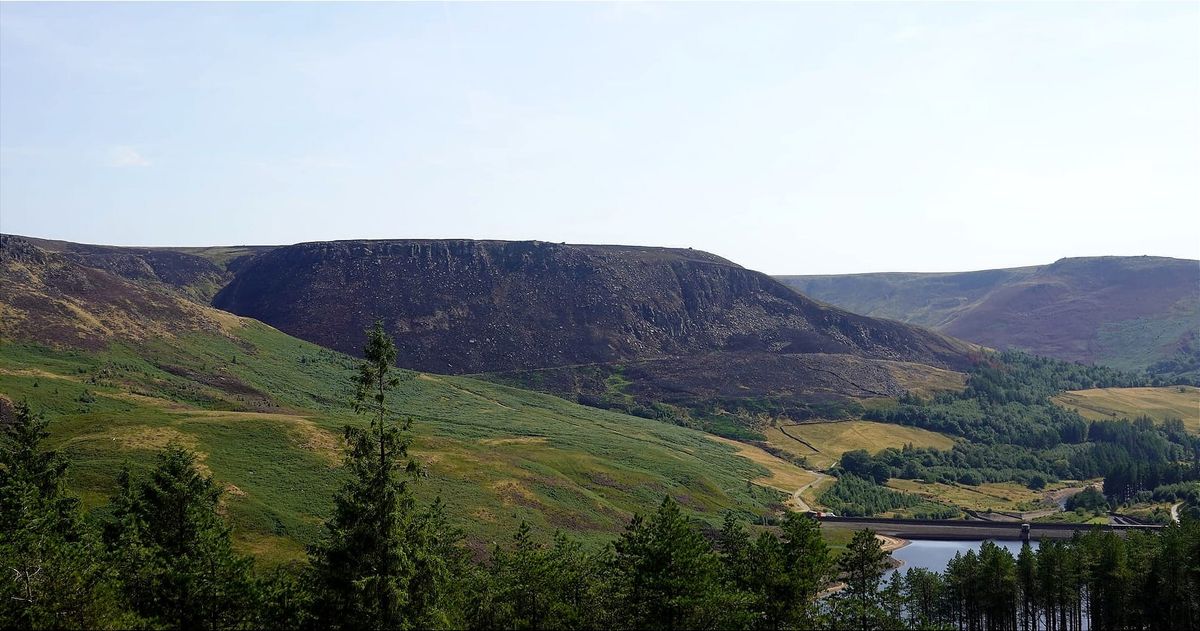
We heard about it, we saw it on the news, we smelt the smoke. Major wildfire incident at Dovestones, with others cropping up nearby left, right and centre.
We were told off: no disposable BBQ’s, fireworks, glass or cigarette litter, and keep your windows closed. Facebook posts from the fire service, emergency government messages on our phones.
Beyond the catastrophe and the initial cause of this fire, what does it tell us? Why do people say "wildfire" when it was neither wild nor natural? Do they mean wild as in uncontrolled? I'll stick with fire.
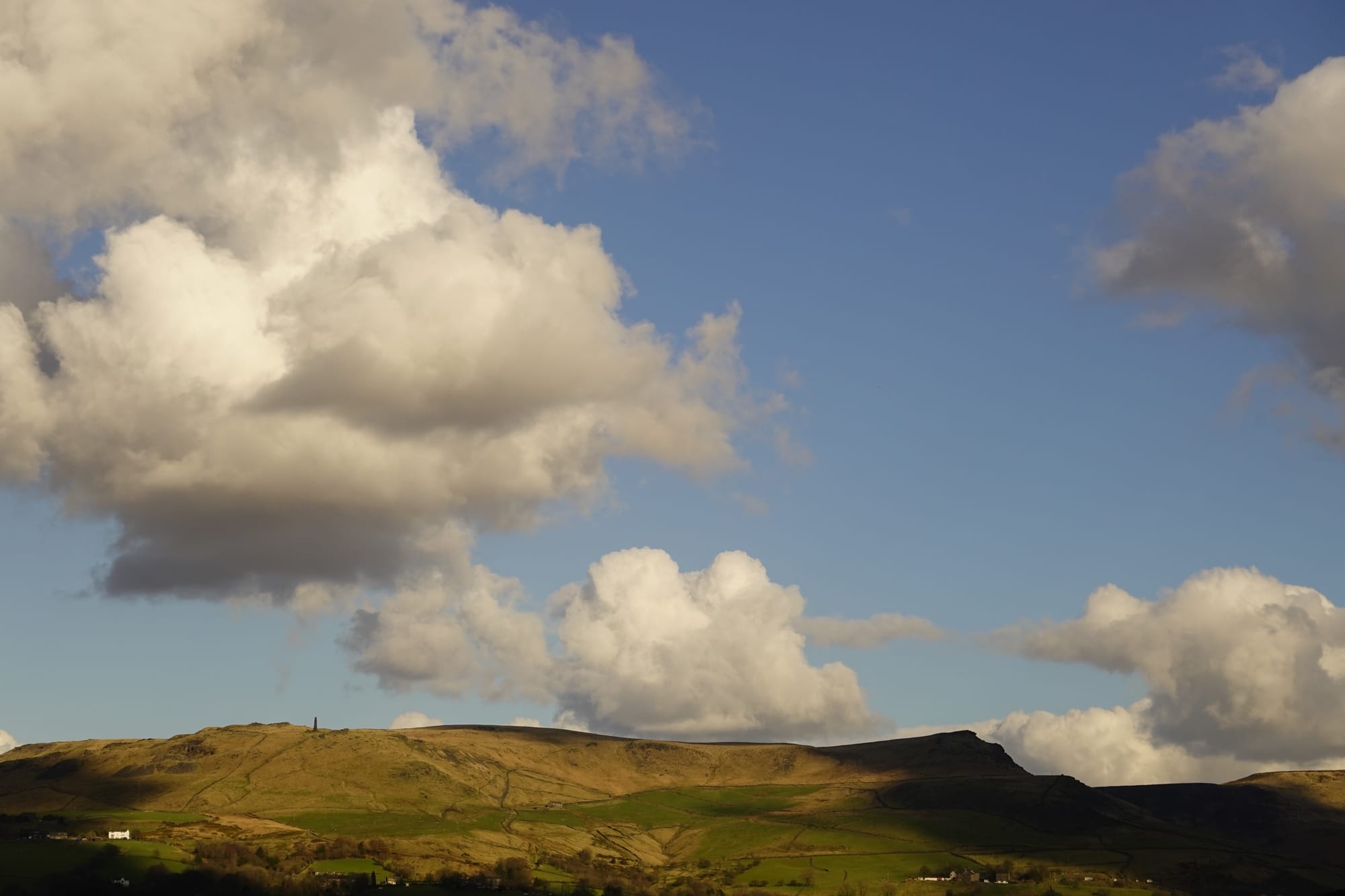
Saddleworth moor, where the recent fire took place, is a semi-wild and managed land. The romantic notions of natural moorlands that have eluded the grasp of humans - and been hostile to our presence - are just that: romantic notions.
This landscape has always been shaped by its surrounding inhabitants and always will be. Our relationship with it is constantly evolving. Climate change is a new and accelerated form of entanglement. Considering the Dovestones fire through a relational lens sheds light on the context and complexity that shrouds it.
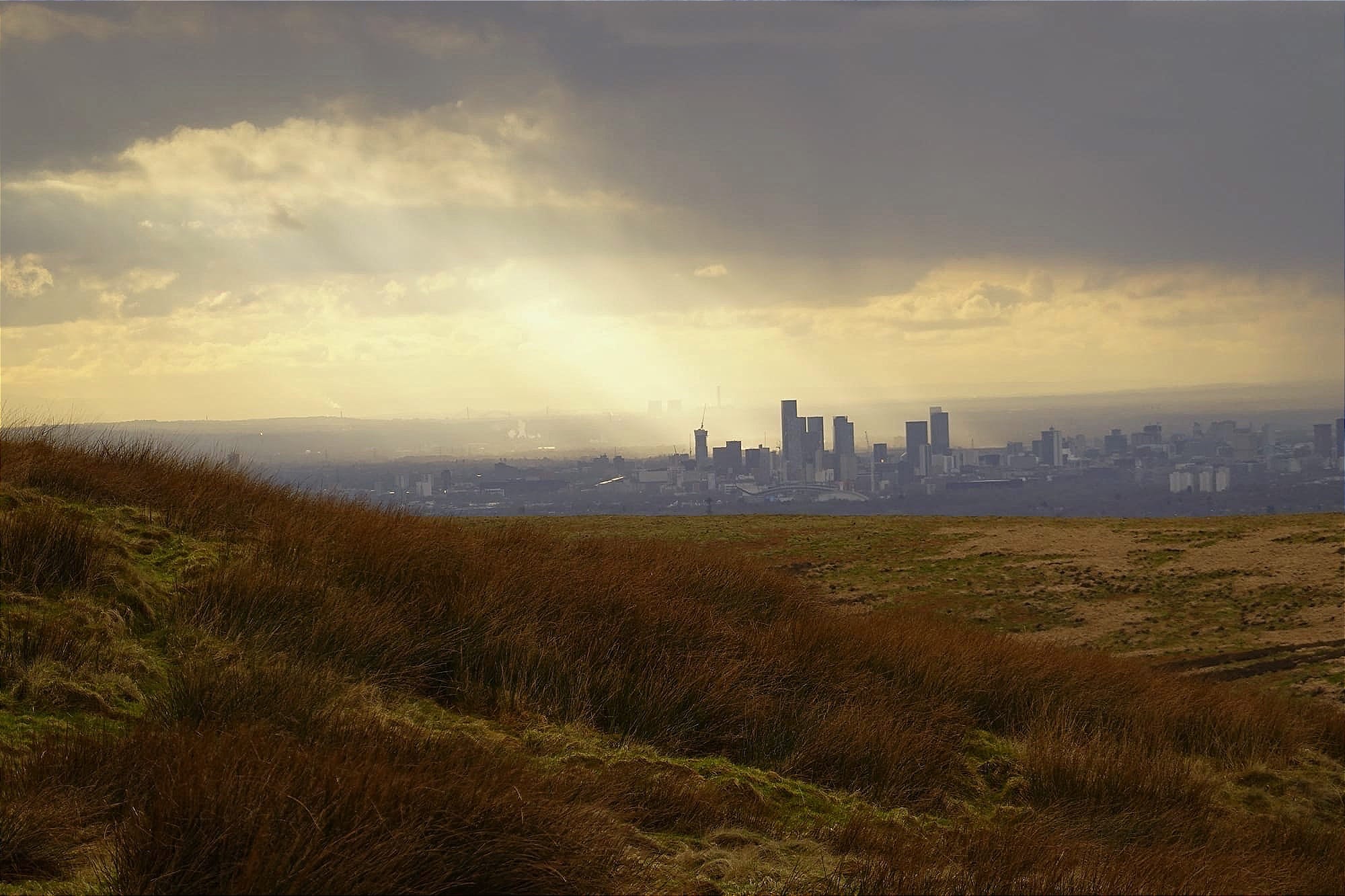
Saddleworth moor and the south Pennines are geographically close to Greater Manchester and other large urban populations. That proximity has influenced the land in many ways, especially during the industrial revolution. For example, we constructed reservoirs to provide drinking water for growing urban populations.
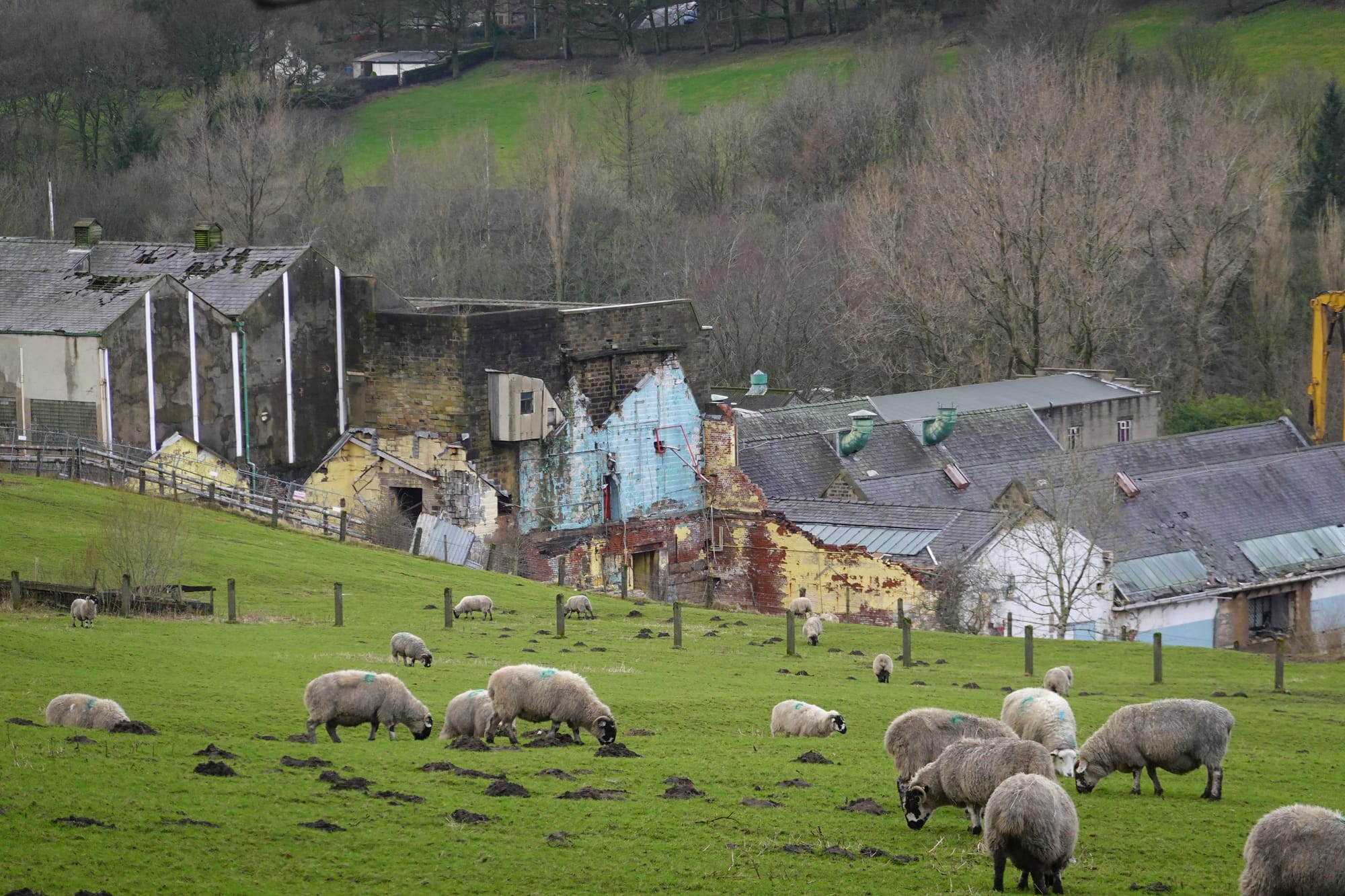
The industrial revolution also polluted the south Pennines, making them some of the most degraded moors in the UK. As a direct result of industrial activity nearby, the peat is poor quality and much more prone to fire risk. Current efforts by conservation groups such as Moors for the Future aim to rebalance that, but the damage occurred in the long term, and so will the rebalancing.
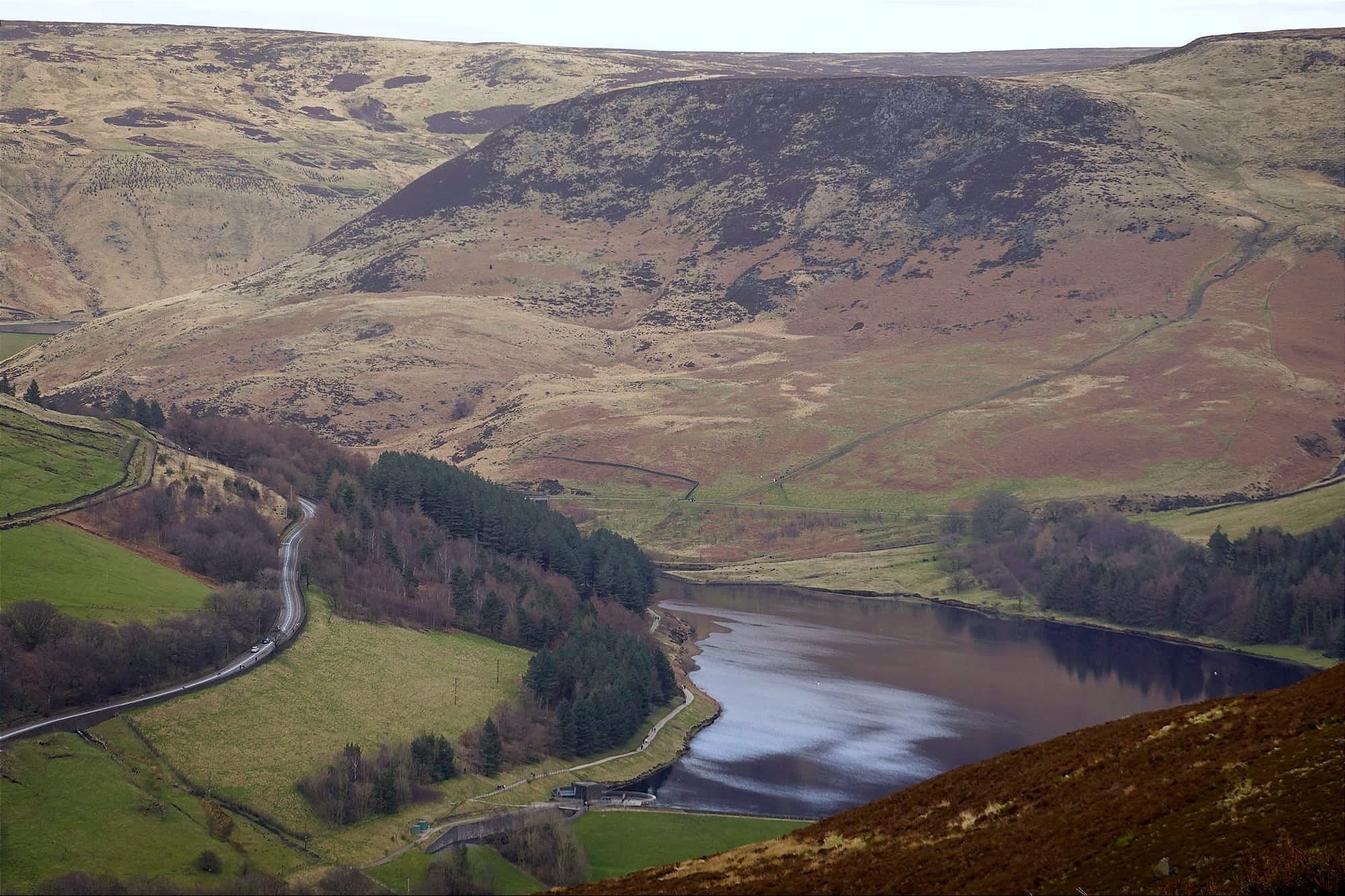
Saddleworth moor faces another problem from its closeness to urban centres. The footfall at Dovestones has increased massively in past decades, which of course directly correlates to increased incidence of wildfires.
As Greater Manchester grows, locals, city-dwellers and tourists visit Dovestones to feel connected to nature. The moors have taken on a new role as an outdoor visitor attraction.
People start 99% of fires. Non-regular visitors sometimes lack awareness of the land and of the etiquette of fire prevention. The risk of fire increases on weekends, bank holidays and school holidays. People take barbecues thinking that the signs apply only to other, lesser people. Our fire will be fine.
Visitors bring more than just questionable barbecues. Heavy footfall indirectly contributes to fire risk by further degrading the moors, through physical changes to the landscape and vegetation by processes such as trampling and the construction of paths.
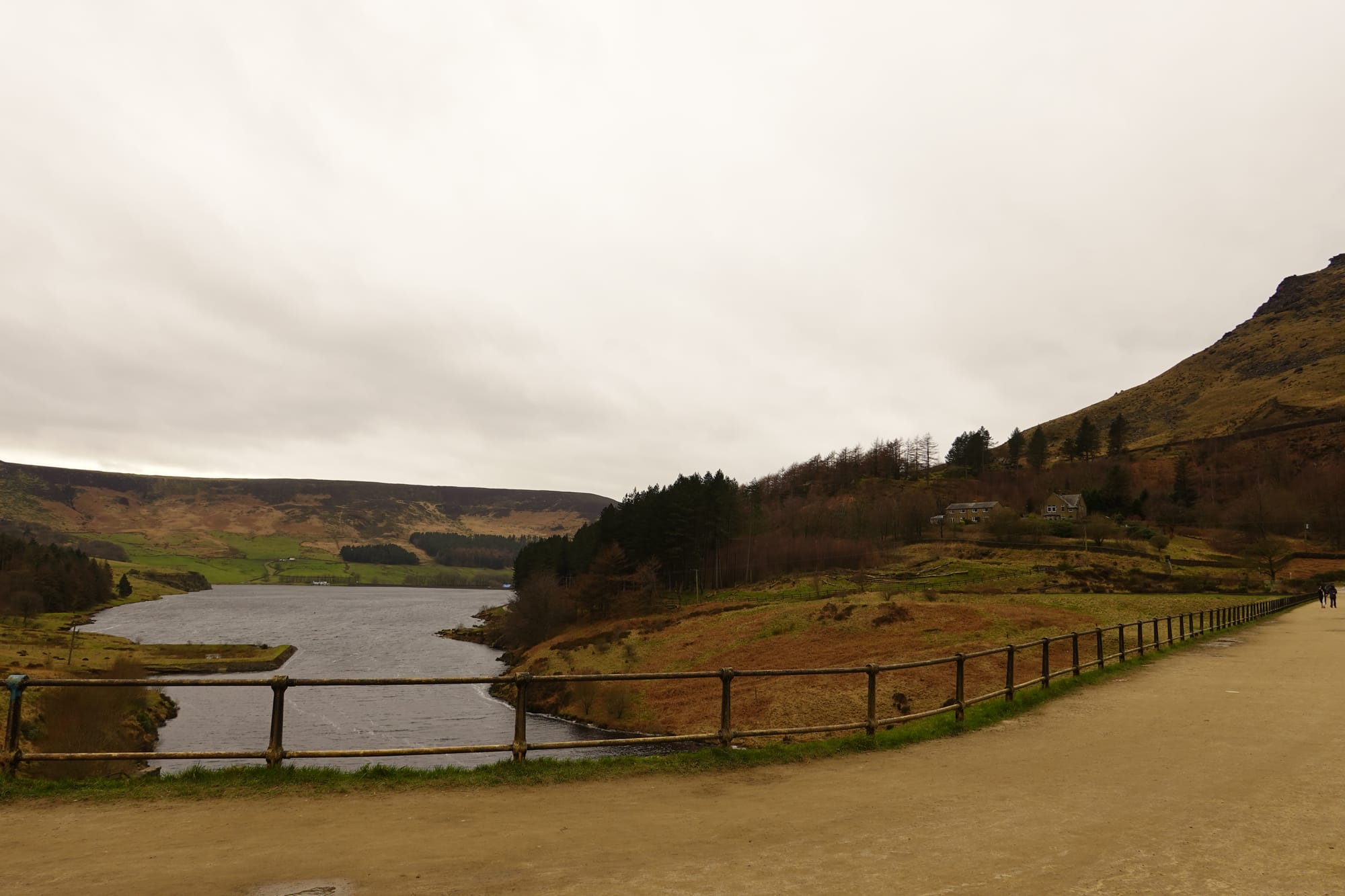
Much of the focus has been on the direct cause of the Dovestones fire. The grieving youths who started the fire are being prosecuted. Yes, they did what they did - legal cases are ongoing etc etc. - but when are the corporate and institutional proponents of climate change going to be held responsible for their part in it? When are they going to court to defend their planet wide damage?
Of course, this is a much more complex issue. We can't just point the finger at corporations and shareholders when we are all complicit to one degree and another. Unpicking that is difficult, but that doesn't mean we shouldn't do it.
Climate change is here and worse is coming. It is complicated, confusing and outside the ranges of something that can be wholly mapped, understood, predicted or solved, even by leading scientists. There is no techno-fix coming to save us, no raging, cinematic apocalypse to instantaneously descend. Instead, climate change as experienced by us is the slow creep of small disasters such as moorland fires closer and closer to our doorsteps, the crawl of smoke that winds its way into our windows, lungs and circulates in our blood. The television news of fires all over Europe not some summers, but all summers.
More intense heatwaves and hotter, drier conditions are generally understood to have played a role in recent large-scale fires, both here in Oldham and in places like the New Forest. Other effects of climate change stretch quietly and slowly beyond the fires we see. There are interconnected systems invisible to the naked eye and beyond the scope of the human timeframe.
One example is that moorland with recent burn scars is more likely to dry out quicker, and is therefore more vulnerable to re-burning. Slower fires can also kill seeds and roots deeper in the peat, affecting future growth. Fires are disasters long after they have been put out, their effects are insidious.
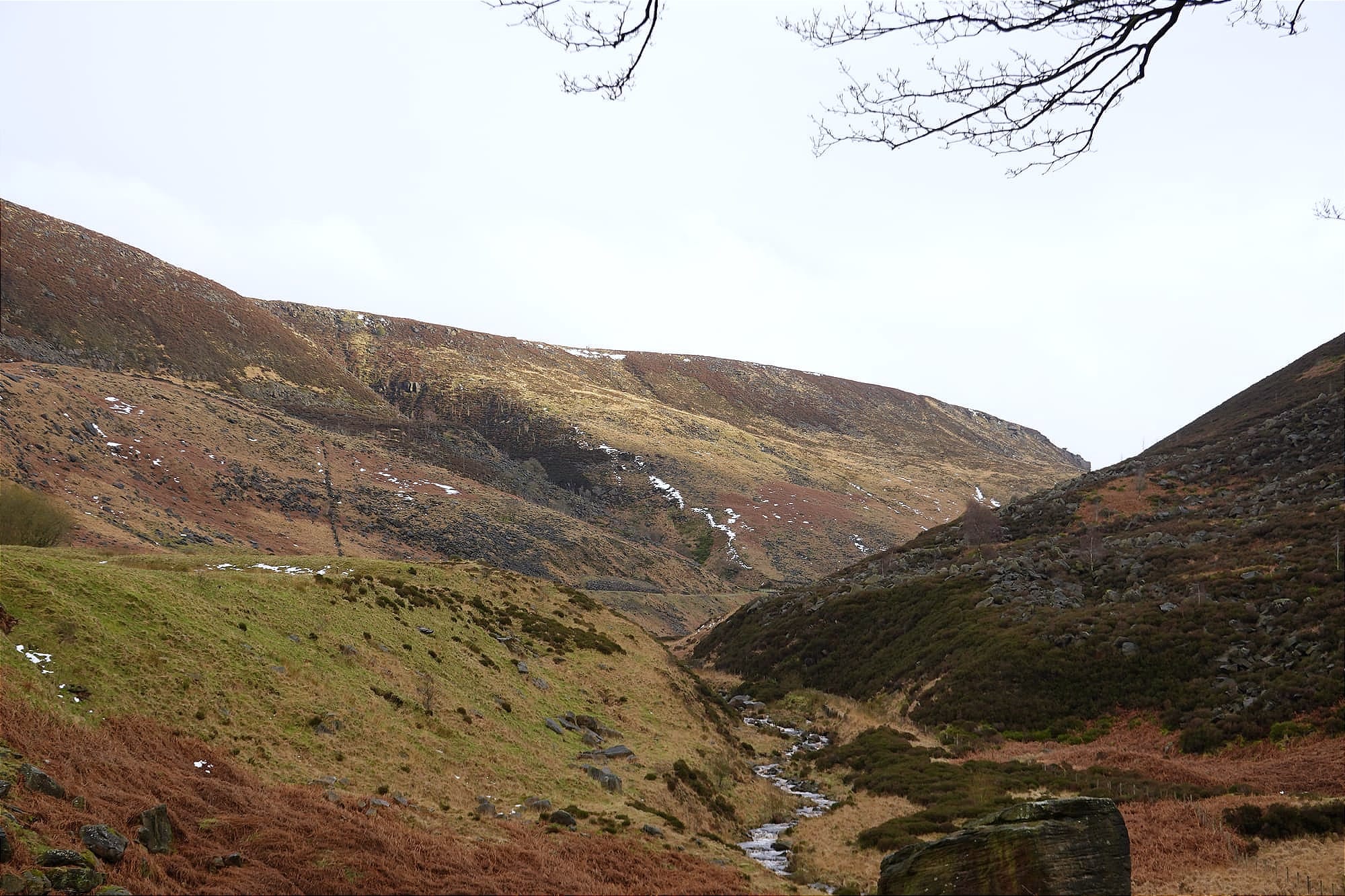
The ecology of the moors is complex, sensitive and diverse. Changing climatic conditions affect the make-up of the vegetation and the seasonal changes in plants. Intricate, delicately balanced ecosystems can be knocked out of kilter. There are new realms of precarity. The peatland ecosystems around Dovestones are among the most efficient ecosystems for storing carbon yet, when they burn, they release those stores into the atmosphere.
Climate change creates conditions for fires, fires occur, moors become more likely to burn again, there are new fires. The cycle is perpetual, and this summer's fire is neither the start nor the end of it.
We are not powerless in the face of new and bigger disasters such as this summer's fire. We are not doomed. The future is uncertain, but conservation, community and interdisciplinary efforts can restore the moors and contribute a little to protecting our world.
This is no one way street either. Humans damage the environment locally and globally, but human-damaged landscapes do damage to humans in return. The drop in air quality due to smoke pollution all across Manchester was notable, and academics at the University of Manchester have recently highlighted the significance of indoor air pollution - smoke from moorland fires pollutes the inside of homes even when windows are closed. For vulnerable individuals such as the young, the old and those who have with pre-existing medical conditions, the backwash damage is intensified.
The public outrage towards the teenagers who started the fire is misdirected. Let's not pretend that industrial development, growth patterns, Dovestones as a visitor attraction and climate change have nothing to do with it.
Who is pointing the finger at fossil fuel companies profiting billions while contributing to these disasters? Who pays the damages for the fire – in cost and in health? How will the Prime Minister's approval of drilling in the Jackdaw and Rosebank North Sea oil fields impact the moors? Can we imagine a world without oil as its beating heart? And can we better understand our local and global environment, how we shape it, and how in turn it shapes us?